
A lecture rarely builds a durable habit. A better reset starts by identifying the part of the day when a routine most often breaks down and changing one cue, tool or location.
Teenagers also deserve to participate in their own care. They can describe goals, ask questions and understand why a recommendation is being made rather than receiving instructions only through a parent.
Build two reliable anchors
Twice-daily brushing with fluoride toothpaste is easier to maintain when attached to events that already happen, such as getting ready in the morning and plugging in a phone at night. A visible brush and a timer can reduce the need to rely on memory.
Cleaning between teeth requires a tool that fits the spaces, coordination and any orthodontic appliances. A hygienist can demonstrate floss, interdental brushes or another option without assuming one tool suits everyone.
Frequency can matter as much as quantity
Sipping a sugary or acidic drink over a long period can create repeated challenges for teeth. Water as the usual drink and keeping sweet foods or drinks to defined times can reduce constant exposure.
Energy drinks and sports drinks are not interchangeable with water. Product ingredients vary, and marketing to athletes does not mean a drink is tooth-friendly.
Sports protection is part of oral health
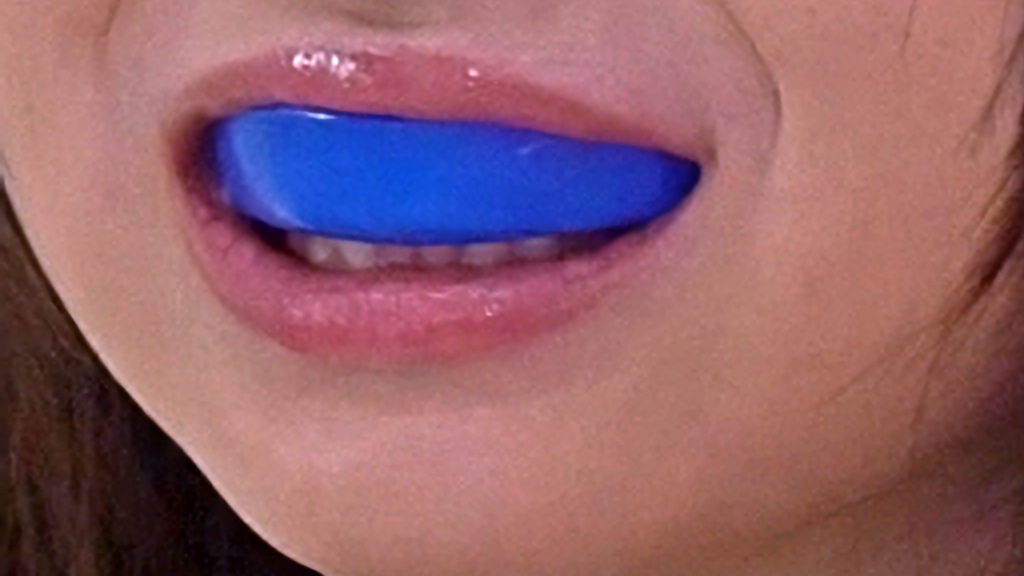
Dental trauma can affect teeth, lips, gums and bone. The appropriate mouthguard depends on the sport, fit, dental development and orthodontic treatment.
A mouthguard that is uncomfortable or interferes with breathing may be left in a bag. Fit and replacement as the mouth changes are part of the conversation.
Know which changes should not wait
Pain, facial swelling, dental trauma, a broken tooth, uncontrolled bleeding or rapidly changing symptoms should be discussed by phone. A public article cannot determine how urgent an individual situation is.
Bleeding with brushing, persistent bad breath or sensitivity also deserves attention, even when it is not an emergency. Note where, when and how often it happens.
How to use this information
Use the source list to see where the facts came from and when the pages were checked. Separate established guidance from emerging research, and be cautious when a headline promises certainty that the source itself does not. If a detail could change with time—such as program coverage, product availability or a developing study—confirm it again before acting on it.
A useful article should improve the questions you can ask, not make the decision for you. Personal recommendations depend on symptoms, health history, examination findings, preferences, risks, alternatives and informed consent.
Key takeaways
- Attach oral care to routines that already happen.
- Choose between-teeth tools based on fit and ability, not trends.
- Frequent sugary or acidic drinks can be harder on teeth than an occasional exposure.
- Sports protection and early symptom reporting belong in a teen oral-health plan.